


Historically, eating disorders have been associated with young, heterosexual females. However, we are now beginning to recognize that body image issues and eating disorders affect all demographic backgrounds. Eating disorders are a serious, and sometimes deadly, mental health condition that appear among all socio-economic statuses, sexual orientations, and ethnic backgrounds. In particular, the rates of individuals who suspect that they have an undiagnosed eating disorder are much higher for the LGBTQ+ community, especially in transgender individuals.
What does transgender mean?
According to the National Eating Disorders Association, transgender “refers to a person whose gender identity does not match the sex they were assigned when they were born.” A 2017 report from the UCLA School of Law, 1.4 million adults identify as transgender, with the 13-24 age range being the highest.
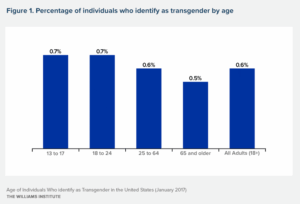
Although these numbers have doubled over the past five years, they are believed to be higher, but fear of discrimination has caused data to be skewed.
Why is there a higher rate of eating disorders?
Research from the Journal of Adolescent Health found that transgender college students were four times more likely than cisgender, heterosexual, female peers to report a diagnosed eating disorder. Additionally, they reported a higher rate of using diet pills, vomiting, and laxatives to control their rate.
It is suggested that prejudice, harassment, and unstable home environments for transgender youth are some of the reasons for the higher rate of eating disorders among this population. One survey of 923 transgender youth between the ages of 14-25 found that, as a sexual minority, they experienced a much higher rate of harassment and discrimination. Out of the youth surveyed, there was also a higher prevalence of eating disorders among individuals who reported experiencing harassment and discrimination.
Another theory for this increasingly high rate among transgender youth is that these individuals are unhappy with their physical appearance. They have eating behaviors that may be attempting to halt the development of certain physical features that do not match their gender identity. In addition to eating disorders, body dissatisfaction and poor body image often lead to chronic depression, anxiety disorders, and substance use disorders.
What treatment is available for eating disorders?
Much of the transgender population go without professional treatment or medical care often due to a lack of access to healthcare, financial pressures, or discrimination. Some transgender individuals have reported negative feelings after interacting with healthcare providers. At times, there is a feeling that healthcare practitioners are not sensitive to the psychological and medical needs of transgender patients.
Eating disorders impact all people. As we continue to see a heightened risk of eating-related disorder behaviors in the transgender community, a safe and accepting environment is needed to help bridge the connection and remove harmful stigmas.
